The Incident Summary
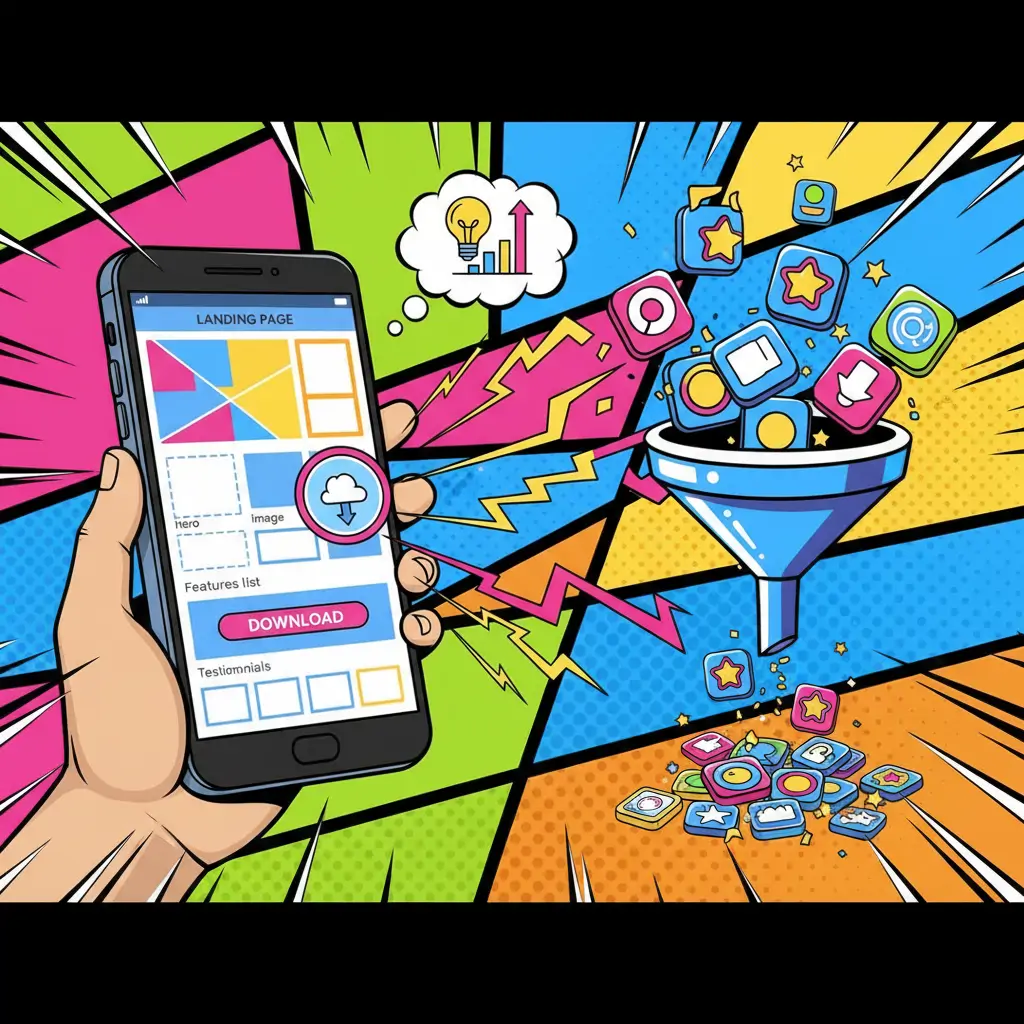
In the world of digital marketing, creating a landing page that doesn't convert is akin to launching a rocket that never leaves the ground. What happened? Many businesses designed landing pages that seemed visually appealing but failed to deliver results. The impact was significant, affecting conversion rates, user engagement, and ultimately sales. Over a few months, we observed a gradual decline in performance, prompting an urgent need to reassess our landing page strategies.
Background Context
Landing pages are intended to capture leads and channel them into the sales funnel effectively. Initially, our system architecture for landing pages was guided by assumptions that strong visuals and minimal text were enough. The previous setup relied heavily on aesthetic design, with little regard for strategic content placement and user experience optimization.
Root Cause Analysis
The chain of events began with an overemphasis on design at the expense of functionality. Contributing factors included inadequate testing of CTA buttons and a lack of A/B testing strategies. The actual issue was a failure to align the landing page message with user intent, leading to a disconnect between visitor expectations and the provided content.
The Fix: Step by Step
Immediate Mitigation
First, set up dedicated heatmaps to analyze user behavior on existing landing pages. This helped identify areas where users were losing interest or experiencing friction.
Permanent Solution
Next, configure a new content strategy focused on clarity and immediate value. Implement clear headlines, benefits-focused content, and strong, visible CTAs.
Verification Steps
Finally, test the new design with real users through A/B testing tools, such as Google Optimize, to verify improvements in conversion rates.
Complete Code Solution
Here's how the before and after code implementation looked:
Test cases added included verifying that CTAs are trackable events and ensuring responsive design across devices.
Prevention Measures
We added monitoring tools like Hotjar to constantly analyze user interactions. Alerts are configured to notify the team if conversion rates dip below a threshold. Process improvements include regular content audits and ongoing A/B testing cycles.
Similar Issues to Watch
Watch out for related vulnerabilities like misaligned messaging and non-responsive design. Early warning signs include a high bounce rate and low time-on-page. Proactively check for outdated content and non-functioning links.
Incident FAQ
Q: How do I ensure my landing page message aligns with user intent?
A: Conduct thorough market research to understand your audience's needs and pain points. Tailor your landing page content to address these directly, ensuring that your headlines and CTAs reflect what users are seeking. Use tools like Google Analytics to analyze search queries that lead users to your page, then adjust your content to better match these queries. Regularly update your content based on user feedback and market trends to maintain alignment with user intent.
Q: What are the best practices for designing a CTA?
A: A strong CTA should be clear and compelling, using action-oriented language like "Get Started" or "Sign Up Today." Place CTAs prominently on the page and make them stand out with contrasting colors. Ensure that the CTA is directly related to the benefits you're offering. Test different variations using A/B testing to determine which performs best. Finally, optimize CTAs for mobile users, considering thumb-friendly placement and text size.
Lessons for Your Team
Action items include revisiting the design process to prioritize functionality and user experience over aesthetics. Encourage a culture of constant testing and iteration. Adopt tools like Unbounce or Leadpages for easier landing page creation and testing. Ensure the team understands the importance of aligning landing page content with user intent, focusing on continuous improvement and responsiveness to user feedback.
Conclusion & Next Steps
In conclusion, by re-evaluating our approach to landing pages, we've enhanced user engagement and conversion rates. You've accomplished a critical reassessment of landing page strategy and implemented best practices for effectiveness. Next, focus on refining these changes, explore personalization techniques, and integrate advanced analytics for deeper insights. Additional resources include our guides on "Effective A/B Testing Techniques" and "Understanding User Behavior with Analytics."